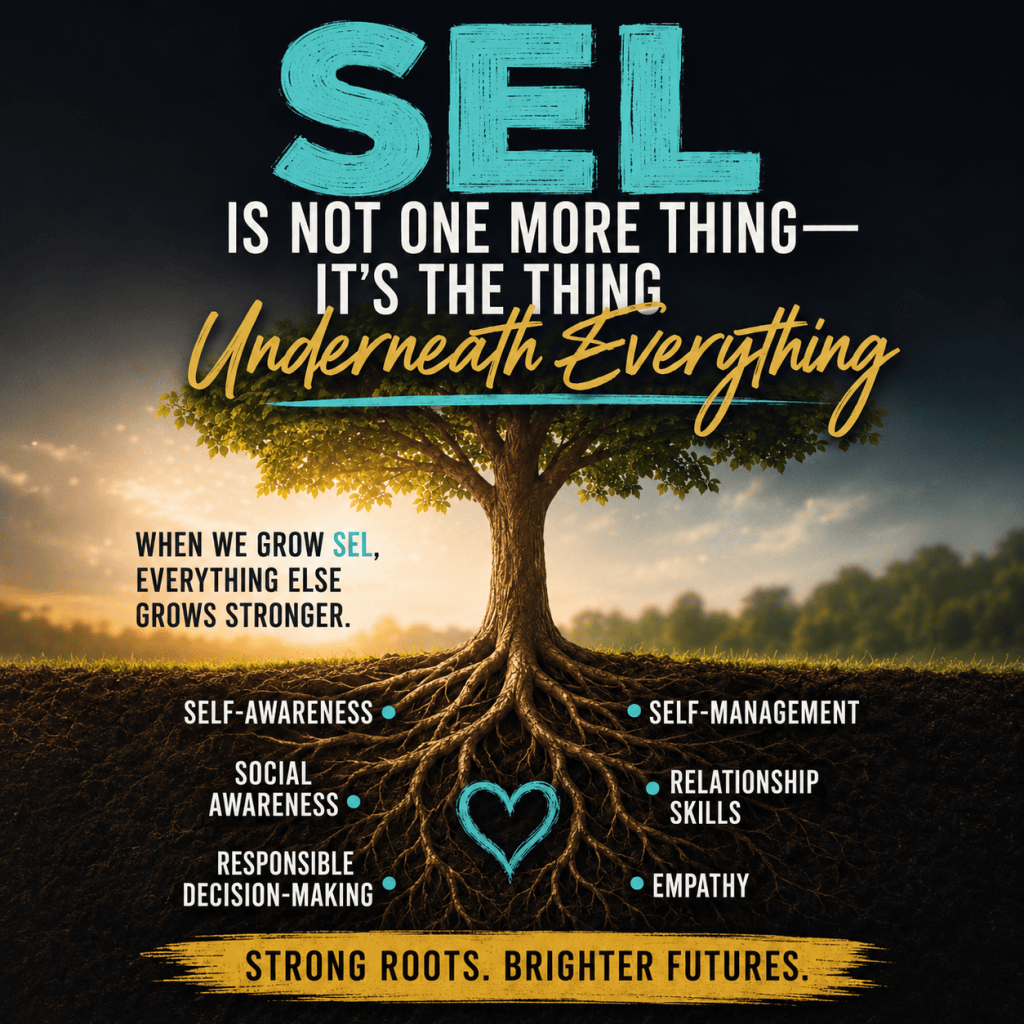
Social-emotional learning — SEL — is one of the most researched, most discussed, and most misunderstood concepts in child development. At its core, SEL is the process through which children learn to understand and manage their emotions, build meaningful relationships, and make responsible decisions. It is not a curriculum. It is not a program you install on a Tuesday afternoon. It is the invisible scaffolding underneath everything else — underneath academic performance, underneath friendship, underneath resilience, underneath the ability to sit with discomfort long enough to grow through it. And it is happening all the time, whether we are paying attention to it or not.
Social-emotional learning is not a worksheet, a twenty-minute block on Tuesday morning, or another item adults need to squeeze into an already packed day. It is happening in the moments between everything else.
I did not start writing children’s books because kids needed one more lesson.
They already have plenty of adults telling them what to do, how to behave, when to speak, when to sit still, when to stop talking—and, somehow, how quickly they should recover when something hurts.
I started writing because children need stories that help them understand why they feel the way they do—and what they can do next.
That is what social-emotional learning means to me.
SEL happens in real life.
It happens when a child walks into the cafeteria and suddenly realizes they do not know where to sit.
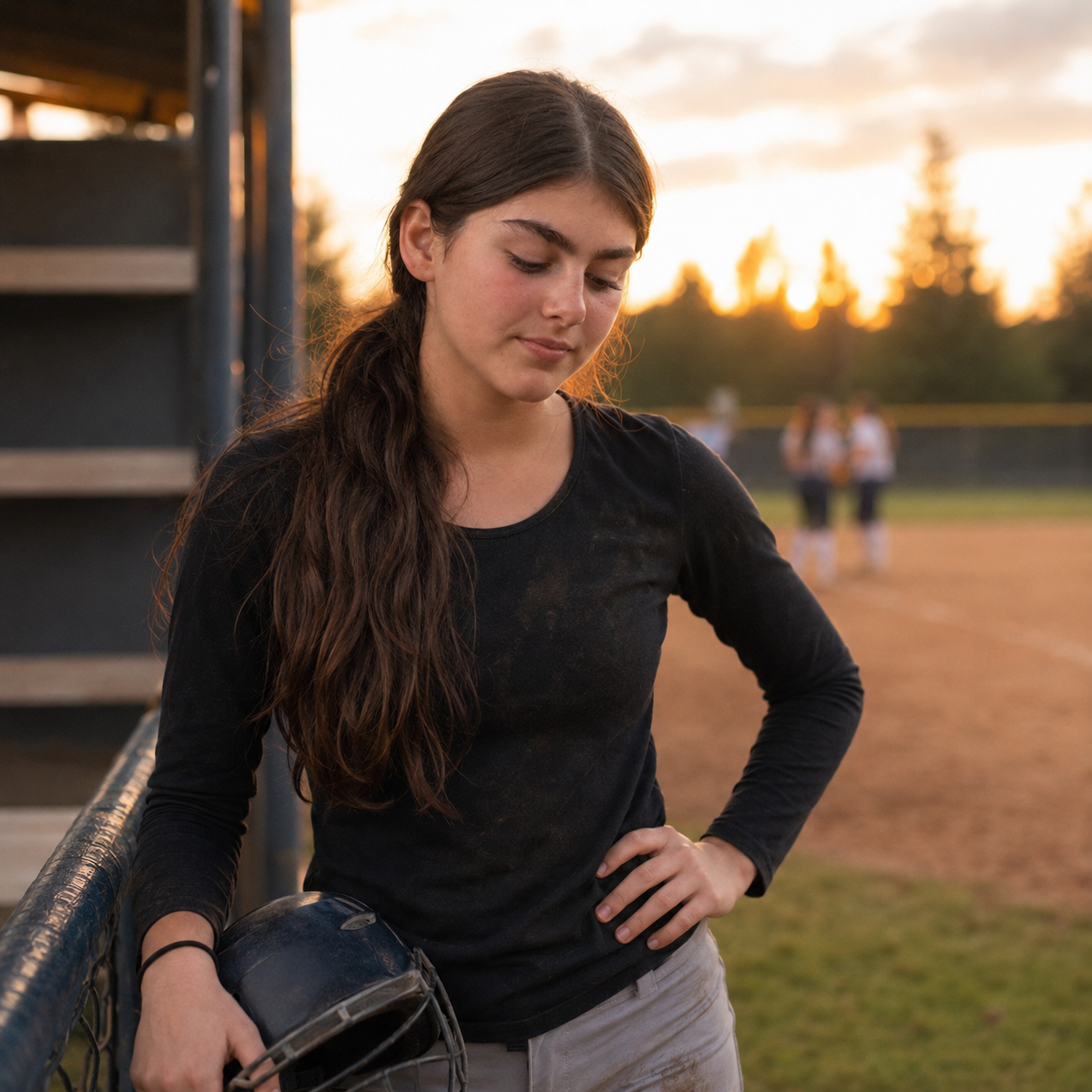
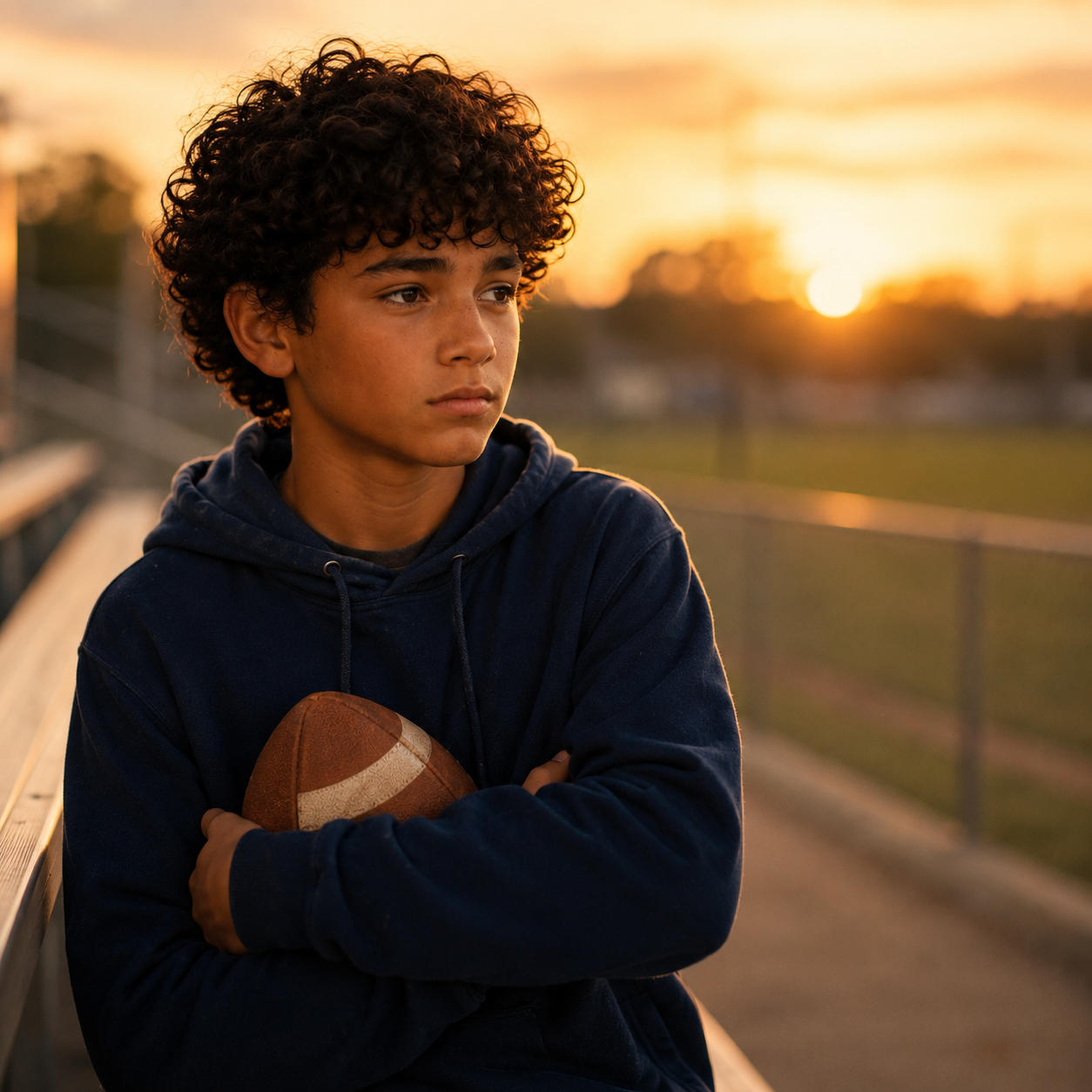
It happens when an athlete makes one mistake and immediately decides everyone on the field now thinks they are terrible.
It happens when a friend’s facial expression changes and, within approximately three seconds, a child has written, directed, produced, and emotionally starred in an entire movie about what that expression must mean.
It happens when someone is technically included in the room but still does not feel like they belong there.
It happens when a child wants to tell the truth but is afraid the truth will change how people see them.
And it happens when the child who is always “the strong one” finally needs someone else to show up.
It happens when a child holds it together all day at school and completely falls apart the moment they get into the car — because you are the safe place, and safe places get the real version.
It happens on the playground when a child is left out of a game and has to decide, alone, what that means about them.
It happens in a classroom when a child freezes at the front of the room mid-sentence, staring out at a sea of faces, and suddenly cannot remember a single word they prepared.
It happens at the dinner table when a child goes completely quiet, pushing food around their plate, and no one is quite sure whether to ask or give them space.
It happens when a child gets a compliment and immediately deflects it — because accepting kindness feels scarier than rejecting it.
It happens when two kids argue over a rule in a game, and what looks like stubbornness is actually a child fighting to feel heard.
It happens when a student raises their hand, gets called on, and suddenly goes completely blank — not because they didn’t know the answer, but because the fear of getting it wrong arrived first.
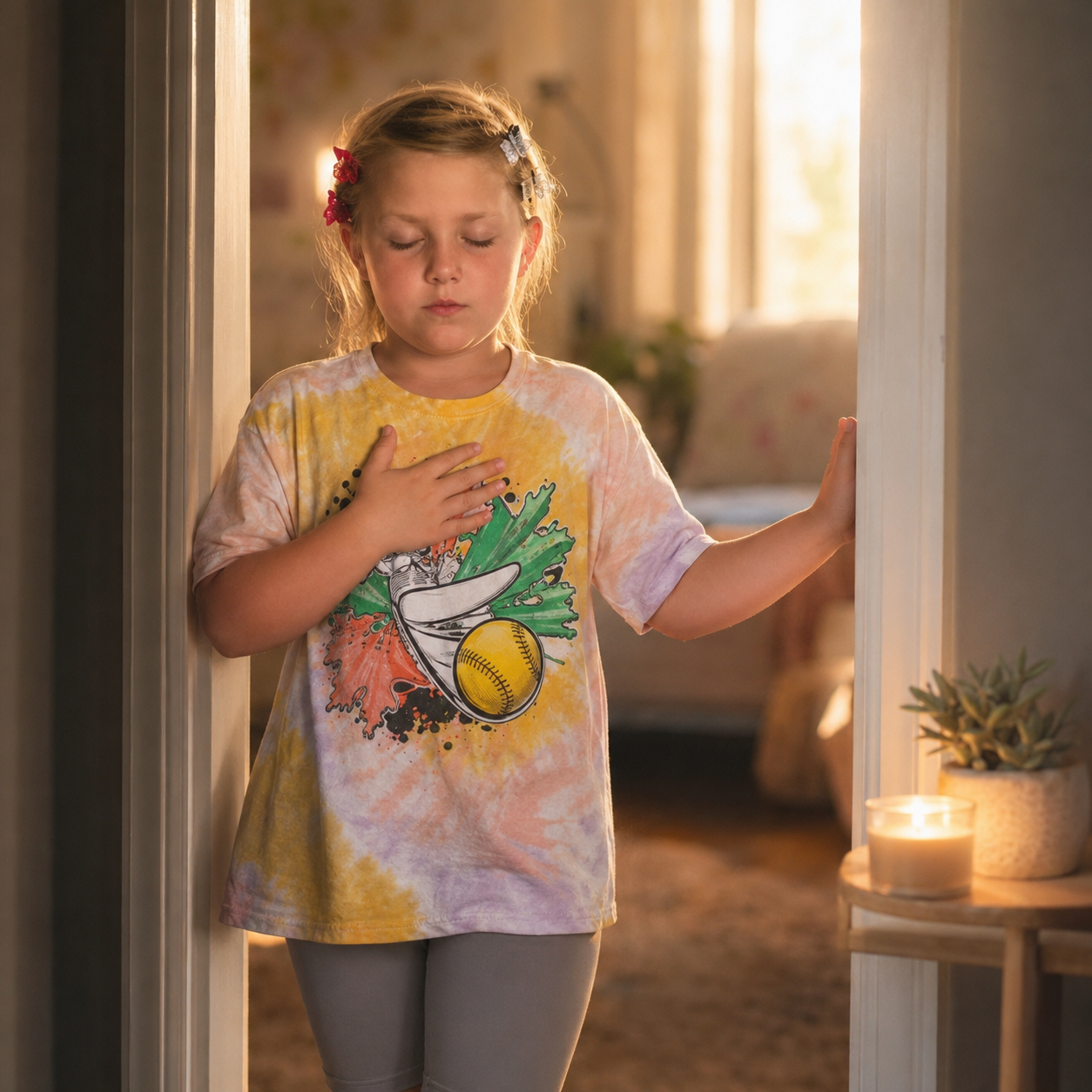
And it happens at home, late in the evening, when a child lingers in the doorway a little longer than usual — not asking for anything, just hoping someone will notice.
SEL is not separate from childhood. It is woven through it.
SEL Happens in the Spaces Between
SEL shows up in the spaces between the structured parts of a child’s day — the hallway, the lunch table, the car ride home, the moment before bed. These are not interruptions to the important stuff. They are the important stuff.
Why ‘Just Calm Down’ Never Actually Works
Adults are problem-solvers. It is almost reflexive. A child brings us a problem and, somewhere in our brains, a tiny emergency response team immediately reports for duty: Fix it. Solve it. Make the feeling stop.
And here is where the gap opens: what the adult needs is resolution. What the child needs — first, before anything else — is to feel understood.
This matters more than we might think. Research from CASEL found that students who receive quality SEL instruction show an average 11% gain in academic achievement compared to peers who do not. Not because they studied harder. Because they felt steadier.
So we say things like:
“Just ignore them.”
“Don’t worry about it.”
“You’re fine.”
“Be the bigger person.”
“Try harder.”
“Calm down.”
Most of us say these things because we genuinely want to help. I remember sitting across from my own child one afternoon, watching her shoulders drop, and immediately launching into a list of suggestions before she had even finished her sentence. She looked up at me and said, “I didn’t ask you to fix it.” That stopped me.
We want the pain to pass. We want the friendship repaired, the disappointment forgotten, the team made, the grade improved, and everybody happily moving forward before dinner.
But sometimes we move so quickly toward the solution that we skip the most important question:
The Question We Almost Always Skip
What happened inside the child?
What to Ask Instead
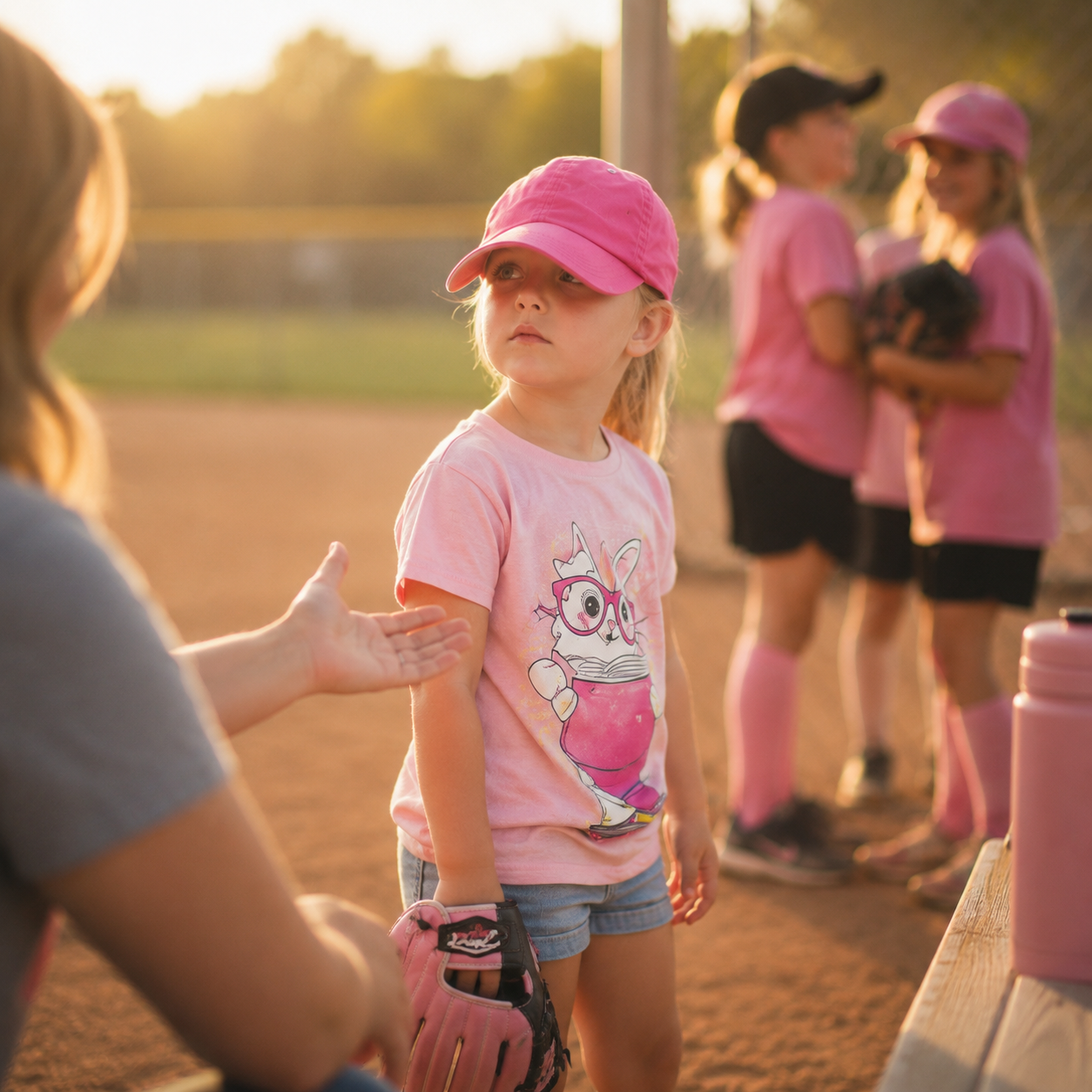
Before children can manage their emotions, they have to be able to name them. Before they can solve a problem, they need to understand what the problem actually is. And before they can move on, they may need someone willing to sit beside them — without rushing their feelings out of the room.
Consider this: research shows that 1 in 5 children experiences a mental health challenge, yet fewer than half receive any support. SEL is one of the most effective preventive tools available — not because it solves everything, but because it teaches children that their inner world is worth paying attention to.
Children do not always need us to fix the moment. Sometimes the most powerful thing an adult can do is pause and ask:
“Tell me what happened.”
“What did you think that meant?”
“What are you feeling right now?”
Or one of my favorites: “Do you want help solving this, or do you need me to listen first?”
That question alone changes everything. It tells the child that their feelings are not an inconvenience to be managed — they are information worth understanding. And students who learn to understand that information are 54% more likely to complete college, according to long-term SEL research. The skills built in small moments compound over a lifetime.
That is SEL too.
Want to Learn More About SEL?
📘 CASEL (Collaborative for Academic, Social, and Emotional Learning) — the leading research organization defining and advancing SEL in schools and communities.
📗 Edutopia — SEL Resources — practical articles and strategies for educators and parents on building emotional skills in kids.
📙 The Whole-Brain Child by Daniel J. Siegel & Tina Payne Bryson — a must-read for understanding how children’s brains develop and how to nurture emotional intelligence.
📕 Untangled by Lisa Damour — insightful guidance on the emotional lives of children and how adults can support them through it.
We’d Love to Hear From You
Have you ever witnessed a quiet SEL moment — one that had nothing to do with a lesson plan and everything to do with real life? We’d love to hear it.
Has a child in your life ever surprised you with emotional insight you didn’t expect? What did they say or do?
When a child comes to you upset, do you lead with solutions — or do you pause and ask what they need first? (We’ve all rushed to fix it. No judgment here.)
Share your thoughts in the comments below — this community is built for parents, coaches, and teachers who believe the in-between moments matter most.
 Kelly Dean’s Books | Children’s Stories & SEL Resources for Parents, Teachers, and more
Leave a comment