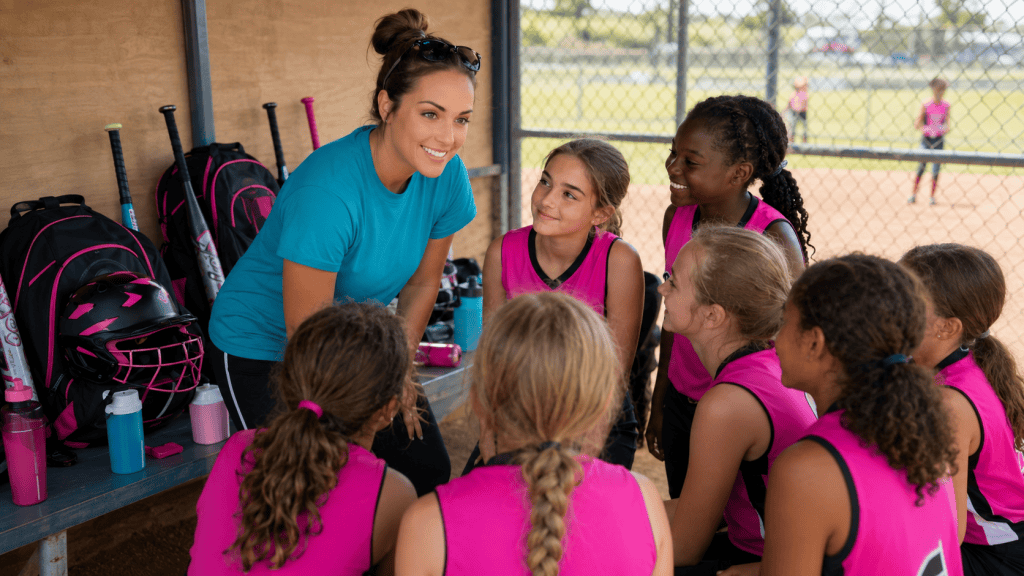
Children are not learning emotional skills in isolation.
They are learning them from us.
Parents. Teachers. Coaches. Counselors. Nurses. Caregivers. Grandparents. Mentors. The adults sitting beside them in the moments that never appear on a lesson plan.
So this blog will not only talk about children.
We are going to talk about how adults respond to children.
We will explore belonging, friendship, confidence, emotional regulation, sportsmanship, boundaries, grief, resilience, self-advocacy, safe adults, making assumptions, repairing mistakes, and the complicated moments children do not always know how to explain.
Some conversations will connect directly to characters and stories from Kelly Dean’s Books. Others will focus on real-life situations and give parents, educators, coaches, counselors, and caregivers practical language they can actually use.
Because sometimes the hardest part is not knowing that a child needs support.
It is knowing what to say next.
And I will never pretend there is one magical sentence guaranteed to work with every child.
There isn’t.
Children apparently did not receive that memo.
But we can learn to listen better.
We can slow down before jumping into problem-solving mode.
We can become more curious about the behavior in front of us.
And we can create enough emotional safety that children do not have to reach a crisis before someone finally notices they are struggling.
Because Behavior Is Rarely the Whole Story
A child who suddenly refuses to participate may be embarrassed.
A child who becomes angry after losing may actually be terrified of disappointing someone.
A child who says, “I don’t care,” may care more than anyone realizes.
A child who keeps asking the same question may not need another answer.
They may need reassurance.
And sometimes the child who appears to need the least help is the one who has simply become very good at looking like they do not need any.
That is the part underneath everything.
And that is where SEL lives.
 Kelly Dean’s Books | Children’s Stories & SEL Resources for Parents, Teachers, and more
Leave a comment